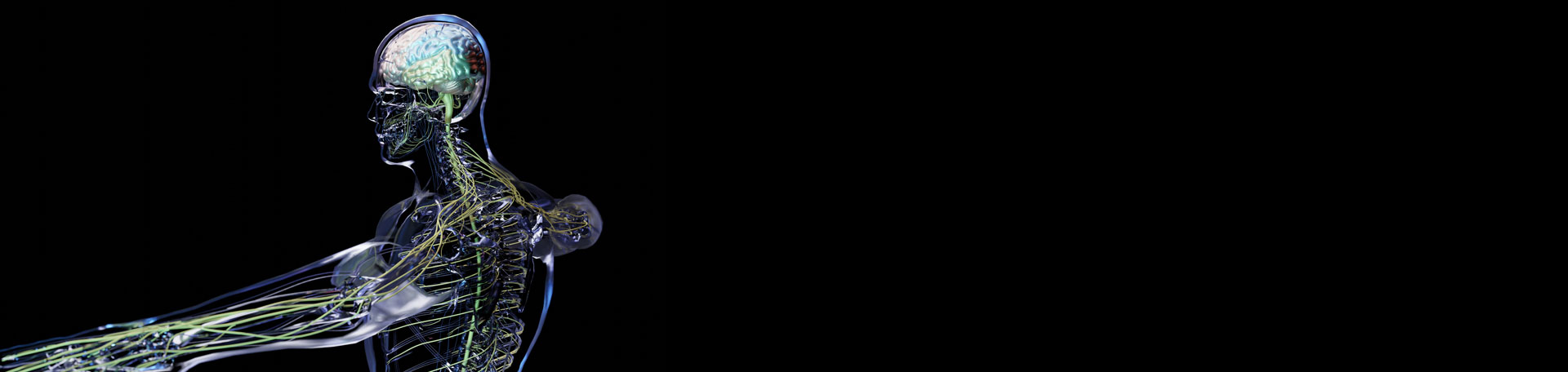
Move Differently. Hurt Less. Here's the Science. Brain and Spine.
Whether your back pain has been quietly harassing you for years or you're just starting to think seriously about your long-term spinal health, here's something worth knowing: researchers are zeroing in on real answers, and the nervous system continues to steal the spotlight.
YOUR BRAIN IS PART OF THE PAIN PROBLEM (AND THE SOLUTION)
The science has a truly interesting answer: back pain isn't always solely a structural issue. Much of what you feel is modeled by how your nervous system handles pain signals — and that handling can be trained as the 2026 pilot study published in Pain Management by Billens and colleagues points out. They put sedentary adults through either a moderate-intensity running program or a high-intensity strength program for 10 weeks. Then researchers gauged how participants' nervous systems were handling pain. The results? Individual responses suggested reduced pain inhibition following moderate-intensity training and enhanced pain inhibition after high-intensity training — meaning the higher-intensity group showed signs that their nervous systems got better at dampening pain signals. Small study, yes, but a persuasive early signal that how hard you exercise may impact how loudly your body transmits pain. (1) We want to you to know that this is new info, and that we encourage movement. Period. Walking is great! Maybe making more intense exercise would be your goal…or not! Lombardy Chiropractic Clinic is here to share interesting new info!
NOW, ABOUT YOUR SYMPATHETIC NERVOUS SYSTEM (YES, THIS GETS INTERESTING!)
Okay, bear with us here — because this part is actually kind of wild. Your sympathetic nervous system is your body's "fight or flight" button. Useful when a bear is chasing you. Less useful when it's chronically activated by stress, poor sleep, and a sedentary lifestyle. Turns out, animal studies suggest that higher sympathetic nervous system activity can quicken bone loss — and researchers suspect the same thing is happening in us. (2) That's the basis behind CHILL BONES — yes, that's the actual name of a real clinical trial — published as a protocol in BMJ Open in 2025 by Collier, Beck, Sabapathy, and Weeks. The trial combines high-intensity resistance and impact training with mind-body exercise (think: tai chi), examining whether calming the nervous system while loading the skeleton generates better bone and spinal outcomes than either method on its own. Among the outcomes being tracked: lumbar spine bone mineral density. Mind-body exercise may be utilized to modulate sympathetic activity, which could have an additive benefit for skeletal adaptation when used in conjunction with high-intensity resistance and impact training. The full results aren't in yet, but the thinking behind it is genuinely exciting. (2)
SO WHAT DOES THIS MEAN FOR YOUR BACK?
Both studies are pointing at the same big idea: your spine, your nervous system, and your exercise habits are deeply connected. Pain isn't just mechanical. Bone health isn't just about calcium. And "just rest it" is rarely the answer. Chiropractic care works with that whole system — improving spinal alignment, lowering nervous system irritation, and getting you moving in ways that are actually therapeutic rather than just exhausting.
CONTACT Lombardy Chiropractic Clinic
If your back has been speaking to you lately, maybe it's time to listen – to it and to this podcast with Dr. James Cox on The Back Doctors Podcast with Dr. Michael Johnson as he shares the advantage of The Cox® Technic System of Spinal Pain Management as it affects the nervous system.
And then schedule your chiropractic appointment with Lombardy Chiropractic Clinic. We'd love to help you get to a place where your spine stops being the loudest thing in the room.